
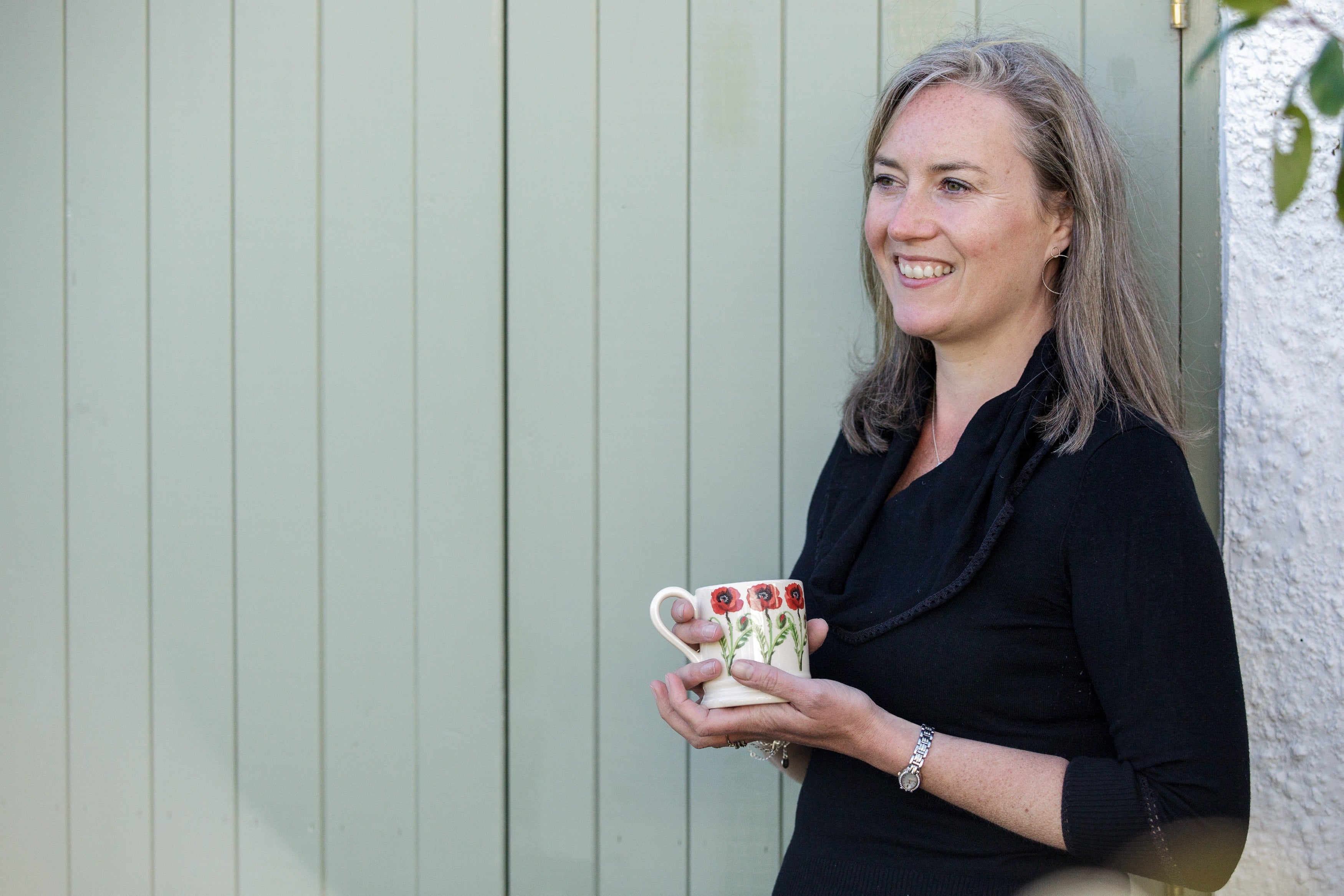

Let's start your transformation today
When you're working your way through your 'stuckness', I'm here to provide:
- Personalised support: Tailored coaching sessions to address your unique needs and aspirations.
- Empathetic listening: A safe space to share your thoughts and feelings without judgment.
- Accountability and encouragement: Optional regular check-ins to keep you motivated and on track.
Let's harness the power of our connection to create lasting change.

What's in a Name?
Why Positively Wild?
I am a huge believer in Positive Psychology. I'm not a fan of dwelling in the past. It's such a much happier place to be to plan for the future.
Several major life events have happened over the last twenty five years. With each one, my personal use of positive psychology techniques has grown to help me deal with challenging times. I want to use these techniques to help other people form their joyful future.
And so Positively Wild Coaching formed to join the Rosemary Wild brand.
When does your contented future begin?
Please do get in touch
Lovely words from lovely clients
View all-

⭐️⭐️⭐️⭐️⭐️
'I wanted support to create structure and practical solutions that actually work for me. Rosie has helped me put clear steps in place. She's also been invaluable in supporting the...
⭐️⭐️⭐️⭐️⭐️
'I wanted support to create structure and practical solutions that actually work for me. Rosie has helped me put clear steps in place. She's also been invaluable in supporting the...
-

⭐️⭐️⭐️⭐️⭐️
Over the past few months I have had regular business coaching sessions with Rosie. It has been such a positive experience and has helped me to reflect on both of...
⭐️⭐️⭐️⭐️⭐️
Over the past few months I have had regular business coaching sessions with Rosie. It has been such a positive experience and has helped me to reflect on both of...
-

⭐️⭐️⭐️⭐️⭐️
'Rosie is a very empathetic listener prompting positive reflection and cultivating a caring environment for me to positively move through business and personal challenges.' From S
⭐️⭐️⭐️⭐️⭐️
'Rosie is a very empathetic listener prompting positive reflection and cultivating a caring environment for me to positively move through business and personal challenges.' From S


When does your 'contented future' begin?
-

Small Creative Businesses and Mental Noise.
For those running small businesses, the ‘noise’ is constant, so many things to do, wearing so many hats. Contentment isn't about the business being perfect. It's about your foundation being...
Small Creative Businesses and Mental Noise.
For those running small businesses, the ‘noise’ is constant, so many things to do, wearing so many hats. Contentment isn't about the business being perfect. It's about your foundation being...
-

Pull up a chair and get comfortable
Pull up a chair, add a cushion or two, make a coffee (I sometimes like a hot chocolate!). I would like you to feel comfortable. My sessions are a quiet...
Pull up a chair and get comfortable
Pull up a chair, add a cushion or two, make a coffee (I sometimes like a hot chocolate!). I would like you to feel comfortable. My sessions are a quiet...
-

The guilt of the 'First World Problem'
The guilt of the ‘First World Problem.' From the outside, it looks like you have it all, the life that our generation was brought up to have and to expect....
The guilt of the 'First World Problem'
The guilt of the ‘First World Problem.' From the outside, it looks like you have it all, the life that our generation was brought up to have and to expect....


